Choosing the Right Slab for Your High-Value Football Cards

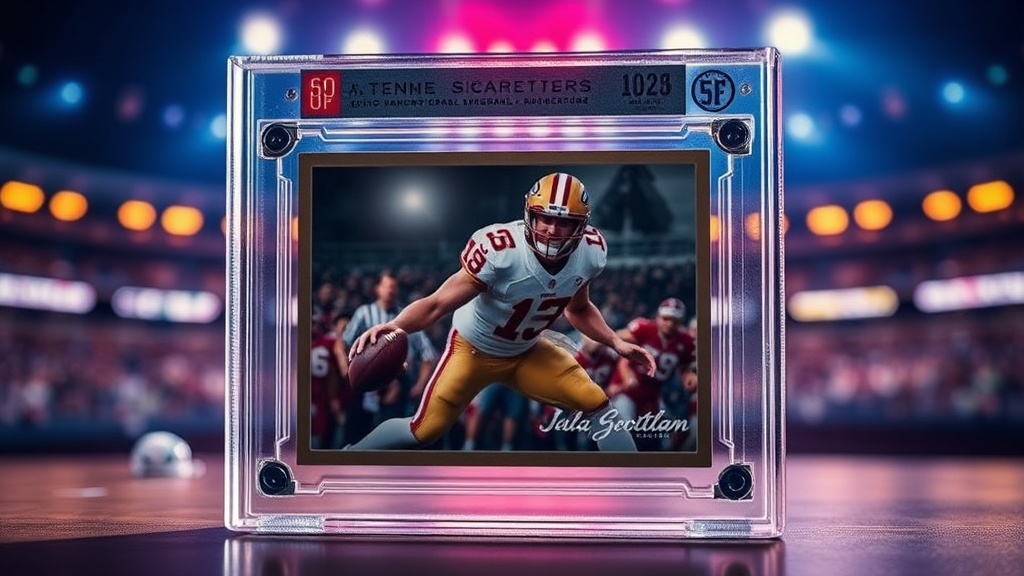
A high-end football card sits inside a heavy, clear plastic case, catching the light from a desk lamp. The edges are sharp, the surface is flawless, and the brand name etched into the plastic signifies its worth. This post explores how to select the right grading slab for your high-value football cards, focusing on the differences between major grading companies, the physical protection they offer, and how to match a slab to your specific card type.
The decision of which company to use for grading isn't just about prestige—it's about liquidity and long-term value. If you own a Patrick Mahomes rookie or a vintage Joe Montana, you can't just pick any plastic holder. You need a slab that collectors actually want to buy. We'll look at the industry leaders, the physical build of the cases, and the nuances of the grading process.
Which Grading Service Should I Use?
The best grading service depends on whether you want maximum resale value or the fastest turnaround time. For high-end football cards, PSA (Professional Sports Authenticator) and SGC (Sportscard Hall of Fame) are the industry gold standards. While Beckett (BGS) remains a massive name, the current market often favors the "pop" reports and liquidity found with PSA for modern football cards.
When you're looking at your collection, you have to think about the end user. If you're planning to sell a card on a platform like eBay, a PSA-graded card often moves faster because buyers trust the brand implicitly. It's a bit like the difference between a certified document and a handwritten note. One carries weight; the other is just a piece of paper.
Here is a breakdown of the big players in the market:
- PSA: Known for the highest liquidity and the most recognizable name in modern sports card collecting.
- SGC: Highly respected for vintage football cards and known for having very consistent, strict grading-to-slab ratios.
- Beckett (BGS): Famous for their sub-grades, which allow collectors to see exactly where a card might have fallen short (like surface or corners).
- CGC: A newer player that has gained traction with high-end modern cards due to their precision and modern aesthetic.
It's worth noting that while some collectors love the technicality of BGS sub-grades, the sheer volume of the football market often leans toward the simplicity of a single PSA grade. You'll see this frequently when looking at sports card-related auction data or market trends.
How Much Does Grading Cost?
The cost of grading varies wildly based on the service you choose, the level of service (standard vs. express), and the estimated value of the card. You aren't just paying for the plastic; you're paying for the expertise and the verification of the grade.
Don't assume that a cheap grading option is always the better deal. If you send a $5,000 rookie card through a low-tier service just to save $20, you might actually lose money in the long run due to lower resale demand. A single-grade slab from a reputable company acts as a seal of quality that justifies a premium price tag.
| Service Level | Estimated Cost (Per Card) | Turnaround Time | Best For |
|---|---|---|---|
| Standard/Economy | $15 - $30 | 60+ Days | Bulk modern cards |
| Express/Premium | $50 - $150 | 14-21 Days | High-value rookies |
| Walk-through/VIP | $200+ | < 7 Days | Investment-grade assets |
The price of the slab itself is a fraction of the cost of the service. When you're dealing with high-value football cards, you're paying for the "insurance" of the grade. If a card is graded a 10, it becomes a collectible; if it's a 9, it's a nice-to-have. That distinction can be the difference between a profitable flip and a loss.
Does the Slab Type Affect the Card's Value?
The type of slab affects the value by determining how much trust a buyer has in the authenticity and the grade of the card. A card in a recognized, high-quality slab is viewed as a professional asset, whereas a card in a generic holder is viewed as a hobbyist's item.
Think about the physical thickness of the slab. Some collectors prefer the slim profile of newer grading technologies, while others like the heavy, "clunky" feel of traditional slabs. This isn't just about aesthetics. A thicker, more durable slab provides better protection against environmental factors. For example, if you're worried about how to keep your cards safe, you might want to look into preserving your rookie autograph cards from humidity before they even hit the grading room. Once they are in a slab, they are largely protected, but the quality of that plastic matters.
There is a certain psychological element at play here. When a buyer sees a PSA slab, they aren't just seeing a piece of plastic. They're seeing a standardized, verified grade that they can bank on. This is why certain cards, like those from Topps or Panini, see much higher price spikes when they move from "raw" to "graded."
The Importance of the "Perfect" Slab
If you're grading a card with a high-gloss surface or a thick patch, the slab needs to be able to showcase that. Some modern football cards have incredibly thick textures—think thick jersey patches or even embedded pieces of memorabilia. If the slab is too shallow, the card might feel cramped, or worse, the pressure could damage the card during shipping.
I've seen collectors get frustrated because a beautiful card looked "dull" once it was inside a slab. Often, this is due to the way the light hits the plastic or the way the card is seated. A high-quality slab should hold the card securely without any movement, but it shouldn't compress the surface. This is especially true for high-end football cards that feature heavy foil or textured surfaces.
Matching the Slab to the Card Era
The era of your football card should influence your grading choice. If you're holding a vintage card from the 1960s or 70s, the rules are a bit different than if you're holding a 2024 Chrome Optic rookie. The way these cards age and react to the grading process is distinct.
- Vintage Cards (Pre-1980): These often benefit from SGC. The vintage aesthetic of the SGC label is highly sought after by collectors who want a "classic" look.
- Modern High-End (Panini Prizm/Select): PSA is usually the king here. The modern, clean look of a PSA slab matches the high-tech feel of modern football cards.
- Autograph Cards: For cards with significant ink, you need to ensure the grading company has a process that won't cause the ink to fade or react to the internal environment of the slab.
It's a bit of a balancing act. You want the card to look its best, but you also want the grade to be indisputable. If you're ever unsure about the condition of your card before sending it off, I'd suggest looking into the evolution of football card grading standards to see how much the industry has changed over the years. It helps to know what the "benchmark" is before you spend your money.
One thing I've noticed in the community is the debate over "slab aesthetics." Some people think the modern, bright labels of certain companies look too much like toys. Others argue that the sleek, minimalist look is much more professional. Neither is wrong, but it's something to keep in mind if you're building a collection that you eventually intend to display in a glass case or a digital showcase.
The choice of a slab is the final step in the life of a card's "raw" stage. It's the transition from a piece of cardboard to a verified collectible. Whether you're looking for a quick flip or a long-term hold, the slab you choose is your most important tool for preserving value.