Organizing Your Football Card Collection for Maximum Efficiency

Ever looked at your card boxes and felt a sudden sense of dread? You aren't alone. Organizing a football card collection is about more than just making things look pretty—it's about protecting your investment and finding that one specific Panini Prizm rookie card without digging through five different boxes. This guide breaks down the best ways to categorize, store, and manage your stash so you can actually enjoy your hobby instead of hunting for lost sleeves.
How Should I Organize My Football Card Collection?
The best way to organize your football card collection is to decide on a primary sorting method—either by player, team, or card type—and stick to it. Most collectors start with a "tiered" system. You keep your high-value hits (like those thick autograph cards or case hits) in one specific area, while your bulk base cards live in secondary storage. It's a way to separate the "investment" pieces from the "fun" pieces.
If you're a team-based collector, you'll want to group by NFL franchise. If you're more into the modern era, you might prefer sorting by the specific product year or set. For example, you might have a dedicated section for 2023 Panini Donruss Select and another for 2024 Prizm. This keeps your inventory predictable. (And let's be honest, it makes it way easier when someone asks if you have a specific player's card.)
Here is a common hierarchy for organizing a growing collection:
- Tier 1: The Grails. Graded cards (PSA, BGS, or SGC) and high-end autographs. These go in hard stacks or specialized displays.
- Tier 2: The Hits. Ungraded parallels, numbered rookie cards, and jersey cards. These live in penny sleeves and top loaders.
- Tier 3: The Base. Standard base cards and common parallels. These are usually kept in top-loaders or organized in binders.
- Tier 4: The Bulk. Low-value cards used for trading or selling. These stay in sealed boxes or- even better- specialized storage bins.
What Are the Best Storage Supplies for Football Cards?
The best storage supplies for football cards are acid-free, PVC-free materials that protect against environmental damage. Using cheap, low-quality plastics can actually ruin your cards over time through a process called "off-gassing." You want to ensure every sleeve and holder is safe for long-term contact.
When you're dealing with high-value cards, the material matters a lot. A standard penny sleeve is fine for a base card, but if you're holding a high-end Chrome Refractor, you might want something a bit more substantial. If you're worried about the physical condition of your cards, you should definitely read up on optimizing your collection's habitat to ensure temperature and humidity aren't working against you.
Here is a quick comparison of common storage options:
| Storage Type | Best For... | Pros | Cons |
|---|---|---|---|
| Penny Sleeves | Base cards/Bulk | Cheap, easy to use | Minimal protection |
| Top Loaders | Important parallels | Rigid, prevents bends | Can be bulky in large quantities |
| Magnetic One-Touch | High-end Autos/Grails | Maximum protection/Look | Expensive, heavy |
| Card Binders | Complete Set Building | Harder to protect from humidity |
One thing to watch out for: never use tape or anything sticky near your cards. It sounds obvious, but I've seen collectors try to "fix" a loose top loader and end up with a disaster. Also, if you're buying a large volume of cards at once, make sure you spot counterfeit football cards so you don't waste your storage space on fakes.
How Do I Manage My Digital Inventory?
You manage a digital inventory by using a spreadsheet or a dedicated hobby app to track the name, set, and approximate value of every card. A digital log is your best friend when it comes to selling or insurance. If you don't have a record of what you own, you're essentially flying blind.
A simple Excel or Google Sheet is often enough for most people. You don't need fancy software—just columns for: Player Name, Year, Set (e.g., Panini Prizm), Card Number, and Condition. If you're serious, you might even add a column for "Purchase Price" versus "Current Market Value." This helps you see how your collection is performing over time. It's a bit of work upfront, but it pays off when you want to sell a lot at once.
For more advanced collectors, there are apps and websites that can help you track market prices. Keeping an eye on sites like eBay (specifically the "Sold" listings) is the most accurate way to determine what a card is actually worth in the real world. A card's "estimated" value is useless if nobody is actually buying it at that price.
Don't feel like you have to log every single base card you own. That's a waste of time. Focus your energy on the cards that actually have value. If a card is worth less than a dollar, it doesn't need a digital entry in your spreadsheet. It's just bulk.
How Much Space Does a Large Collection Need?
The space a collection needs depends entirely on whether you store cards in binders, boxes, or display cases. A thousand base cards might only take up one small box, but a thousand high-end cards in top loaders will require several large storage bins and a significant amount of shelf space.
If you're planning to grow your collection, think about your "vertical" versus "horizontal" space. Binders are great for browsing, but they take up a lot of room on a bookshelf. Card boxes (like the ones used for baseball or football cards) are much more space-efficient for bulk storage. You can stack them, but don't stack them too high or you'll crush the bottom boxes.
A good rule of thumb? Always leave about 20% more space than you think you need. If you buy a massive lot of cards at a card show and you've already filled every inch of your storage, you're going to have a bad time. You'll end up with cards sitting in piles on your desk, which is a recipe for bent corners and damaged edges.
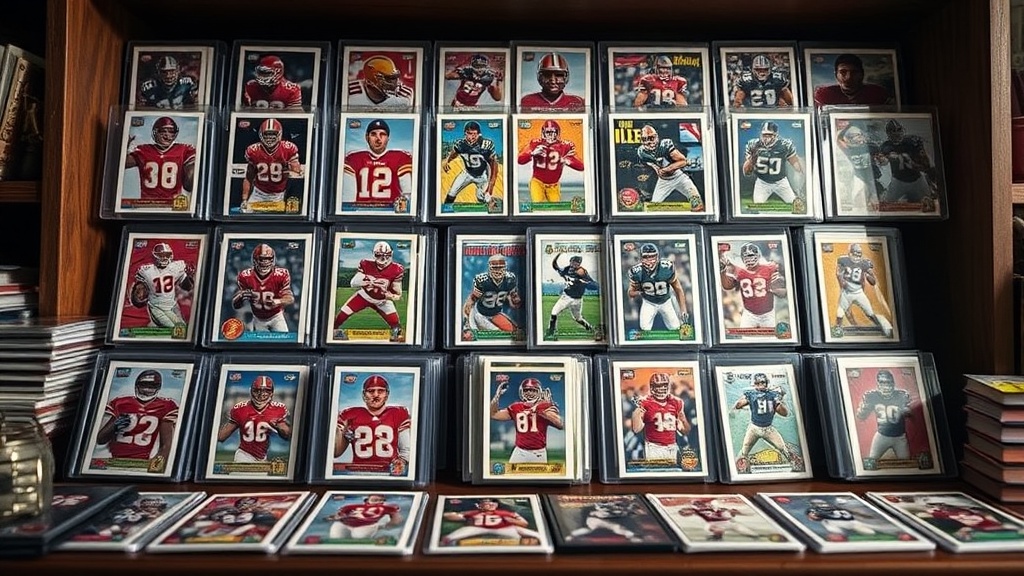
If you're a collector who loves to display their hits, consider a dedicated display shelf. This keeps your most prized items away from the "chaos" of the bulk boxes. It also makes your collection look much more professional when you have guests over. Just make sure the shelf is sturdy—those heavy-duty one-touch holders add up in weight quickly.
The goal is to create a system that grows with you. Whether you're a casual collector or a serious investor, having a method for sorting and storing is what separates the pros from the people who just have a pile of cardboard in their closet.
Steps
- 1
Sort by Card Type and Era
- 2
Select Appropriate Storage Containers
- 3
Implement a Digital Inventory System
- 4
Label and Categorize Every Box