
Ultimate Guide to Buying Football Cards: What You Need to Know

Introduction
Football cards have become more than just a hobby – they are a valuable part of the collectibles world. With the rise of online marketplaces and global trading, football card collecting has expanded beyond just fans and enthusiasts. Whether you’re a seasoned collector or a newcomer, understanding the best practices for buying football cards can make a world of difference in your collection. In this guide, we’ll break down everything you need to know about buying football cards, including where to buy, how to spot fakes, and tips for preserving your valuable cards.
Where to Buy Football Cards
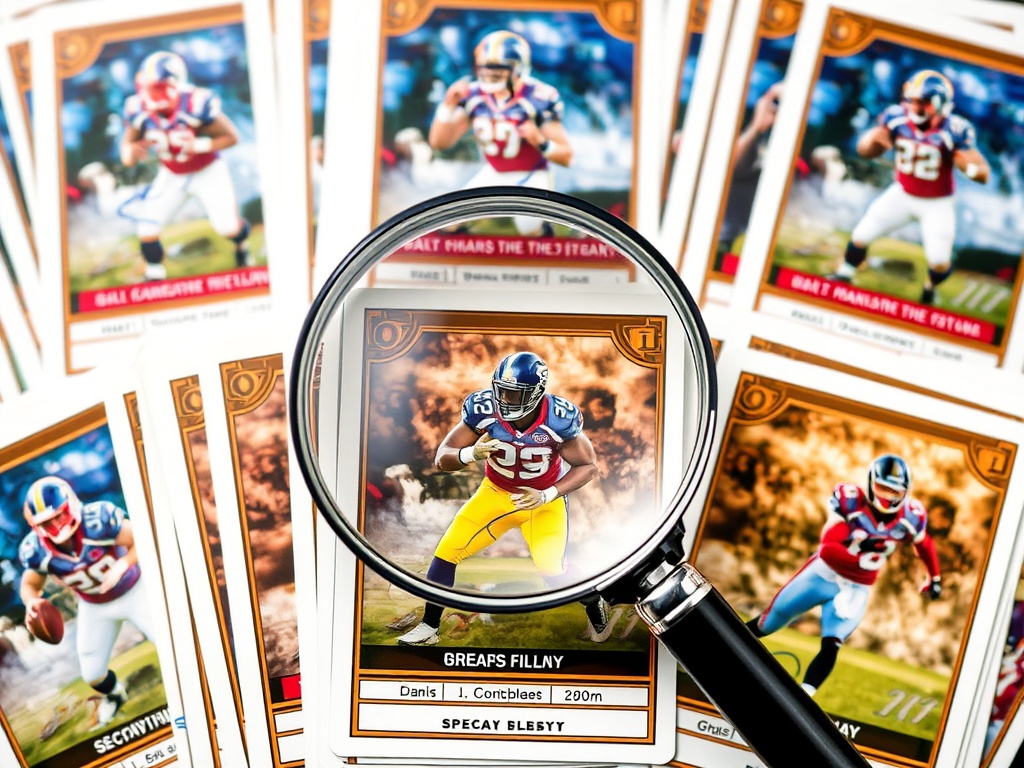
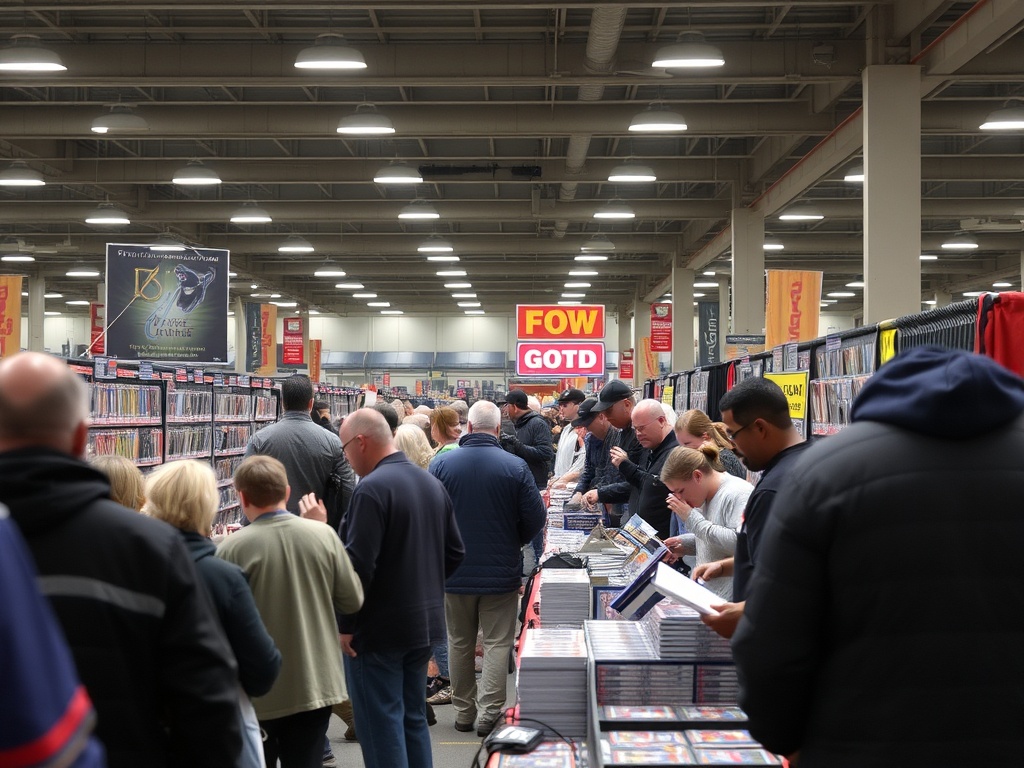
When it comes to purchasing football cards, there are multiple channels you can explore. Online platforms like eBay, Amazon, and dedicated football card marketplaces offer vast selections of cards from all eras. However, you can also find cards in physical stores, such as hobby shops, card shows, and even local flea markets. Each of these options has its advantages and drawbacks. Online marketplaces are convenient and offer competitive pricing, but physical stores give you the ability to inspect cards in person and negotiate prices.
How to Spot Fake Football Cards
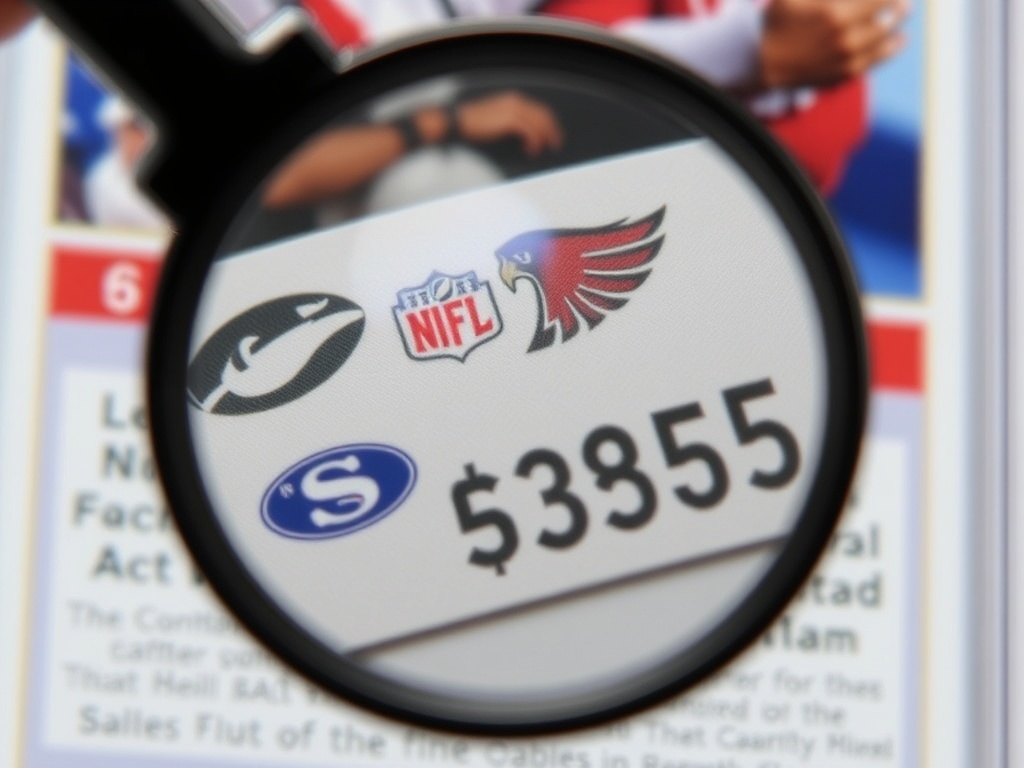
One of the most important skills a collector can learn is how to spot fake football cards. Counterfeit cards are unfortunately prevalent in the collectibles market, and it’s essential to know the signs of a fake card to protect your investment. First, always look for the quality of the card stock – authentic football cards are usually printed on high-quality paper that feels durable. Check for fine details, like the logo and holograms that might be on high-end cards. In addition, a good way to confirm authenticity is by checking the card’s serial number and comparing it with online databases of verified card collections.
Tips for Preserving Your Football Cards
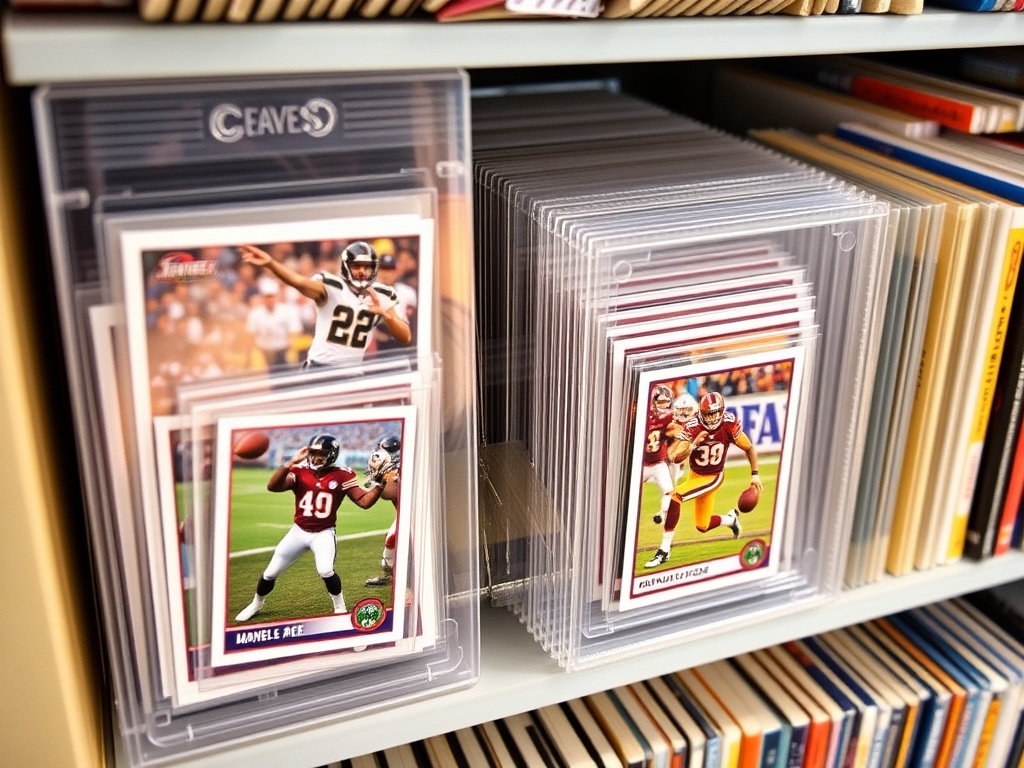
Once you’ve made your purchase, the next step is preserving your cards in the best condition possible. Storing football cards properly is crucial to maintaining their value. One of the most effective ways to protect your cards is by using plastic sleeves or top-loaders, which can prevent damage from bending or moisture. If you’re dealing with high-value cards, consider using graded card protectors. Also, keep your cards in a cool, dry place, away from direct sunlight, which can cause fading and deterioration.
Conclusion
Whether you’re collecting for fun or as a long-term investment, buying football cards can be an exciting and rewarding experience. By knowing where to buy, how to authenticate, and how to care for your collection, you can protect your investment and build a collection that you’re proud of. Always remember to stay informed, and don’t hesitate to ask other collectors for advice. The world of football card collecting is vast and full of opportunities for those who know how to navigate it.