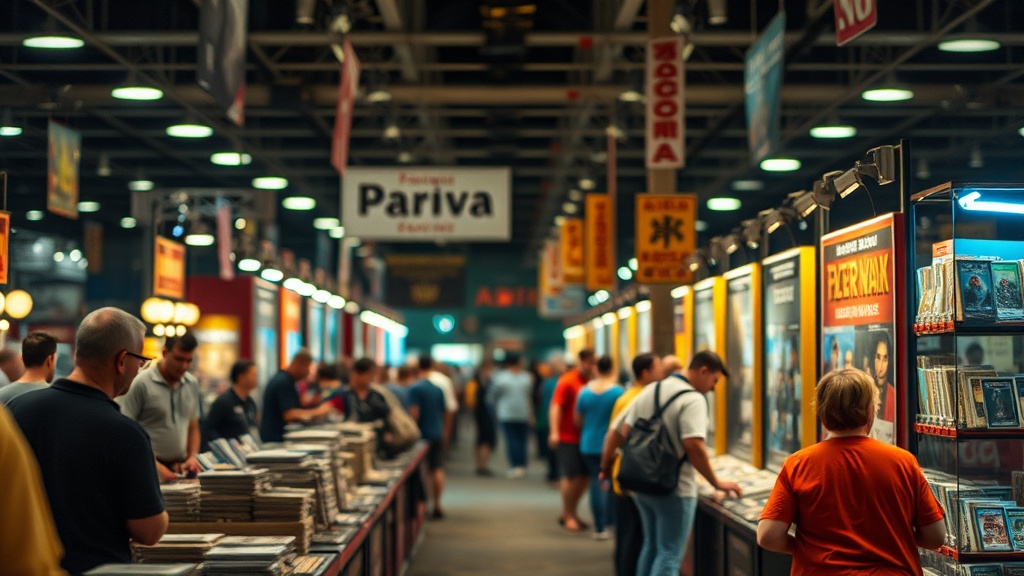
Why Do Card Shows Still Matter in the Age of Online Marketplaces?

Why do thousands of collectors still drive hours, book hotel rooms, and spend entire weekends walking convention center floors when every card imaginable is just a click away? The answer isn't nostalgia—it's something far more practical that no algorithm can replicate. Card shows remain the beating heart of football card collecting, offering experiences that screens simply can't match.
In an era where eBay, COMC, and Instagram sales dominate transactions, the in-person card show might seem like a relic. But attendance at major shows—like the National Sports Collectors Convention—continues to grow year over year. There's a reason seasoned collectors mark these dates on their calendars months in advance. The value proposition extends well beyond the cardboard itself.
What Can You Learn from Handling Cards in Person That Photos Never Reveal?
Photography can be deceptive—even intentionally so. A card that looks gem mint under studio lighting might reveal corner softening, surface scratches, or print dots the moment it's in your hands. At card shows, you examine exactly what you're buying. No shipping surprises. No creative camera angles masking flaws.
This tactile verification matters enormously for vintage cards where condition variations can mean thousands of dollars in value differences. A 1976 Walter Payton rookie might grade anywhere from PSA 4 to PSA 8 based on subtle factors invisible in most online listings. When you're holding that card under show floor lighting, rotating it beneath a loupe, you catch details that even high-resolution scans obscure.
Experienced dealers at shows expect this scrutiny. The good ones welcome it. They'll point out condition issues proactively—because they know serious collectors appreciate transparency. This builds trust in ways that seller ratings and return policies never fully achieve. You're not just buying a card; you're buying from a person whose reputation exists in real space, not just digital feedback scores.
How Do Card Shows Help You Build a Network That Actually Improves Your Collection?
The relationships forged at card shows generate opportunities that never reach public marketplaces. That dealer you chatted with about 1980s Fleer basketball might remember you're hunting Warren Moon rookies—and text you when one surfaces in a collection he's buying. The collector at the next table might trade you that elusive card at fair value because you spent twenty minutes discussing the Houston Oilers together.
These connections compound over time. Attend the same shows regularly and you'll develop rapport with dealers who specialize in your specific interests. They'll hold cards for you. They'll offer first refusal on fresh inventory. They'll share market intelligence—what's heating up, what's cooling down, which prospects are overhyped. This information advantage is genuinely valuable in a market where timing matters.
The community aspect extends to education too. Shows host seminars, autograph sessions, and grading company representatives who'll evaluate your cards on-site. You can submit directly to PSA or Beckett at many major shows, skipping the mail-in wait and getting immediate feedback about whether a card merits grading costs. That's practical knowledge you can't get from YouTube tutorials.
Are You Missing Deals Because You Only Shop Online?
Card show pricing often surprises first-time attendees. Dealers face different competitive pressures than online sellers. They're paying for booth space, hotel rooms, meals—the costs of doing business in person. This creates genuine motivation to move inventory before packing up. Sunday afternoon at any show becomes a buyer's market as vendors prefer discounting cards over boxing them for transport.
Cash transactions add another dimension. Many dealers offer discounts for cash payments—10% or 15% off listed prices isn't uncommon. No platform fees, no payment processing delays, no chargeback risks. These savings add up quickly when building a collection. A $500 card becomes $425 with a friendly conversation and crisp bills. Try negotiating that discount through a Buy It Now button.
The inventory diversity at shows also exceeds what most collectors encounter online. You'll find oddball issues, regional releases, and foreign football cards that rarely appear in algorithm-driven search results. Canadian CFL cards, UK soccer crossover sets featuring American football players, promotional stadium giveaways—these niche items surface at shows because specialized dealers bring their entire inventory, not just what moves fastest online.
Reading the Room: Skills That Translate to Smarter Collecting
Beyond transactions, shows teach you to read market sentiment in real-time. Which tables draw crowds? What cards are people actually pulling from cases versus just admiring? This observational data informs smarter buying decisions across all channels. If you notice three dealers aggressively acquiring 1990s premium insert cards, that's market intelligence worth noting.
The social dynamics matter too. Experienced collectors can spot the difference between genuine enthusiasm and manufactured hype. When everyone's talking about the same hot prospect at a show, you learn to distinguish between sustainable trends and bubble mentality. These pattern recognition skills protect your wallet long after you've driven home.
What Should First-Time Show Attendees Know Before They Go?
Preparation separates rewarding show experiences from overwhelming ones. Research the dealer list beforehand—most shows publish vendor directories identifying specialties. If you're hunting 1970s Topps football, prioritize those booths. Bring a want list organized by year and set. The physical act of flipping through boxes consumes time; knowing exactly what you're seeking prevents aimless wandering.
Pack essentials: a portable loupe (10x minimum), soft sleeves for purchases, a small backpack, and comfortable shoes. Convention centers involve serious walking. Cash remains king—ATMs at venues often charge premium fees and run out quickly. Establish your budget before arriving and stick to it. The sensory overload of thousands of cards can trigger impulse purchases you'll regret.
Don't rush the first aisle. Walk the entire floor to gauge pricing and availability before committing. Prices vary dramatically between booths for identical cards. That Tom Brady rookie you're considering for $800 might appear three tables down for $650. Patience pays literal dividends.
Finally, engage authentically. Ask dealers about their specialties. Most entered this business from genuine passion—they love talking about the hobby's history, their best finds, their collecting goals. These conversations sometimes yield access to inventory not displayed publicly. The collector who treats shows purely transactionally misses half the value.
Card shows aren't dying—they're evolving. Smaller regional shows flourish alongside mega-events like the National. Local card shop owners organize weekend events that replicate the convention experience intimately. These gatherings sustain the hobby's social fabric in ways that matter profoundly for long-term collecting satisfaction.
The digital marketplace offers convenience, selection, and price transparency. Card shows offer something equally valuable: context. You're not just accumulating cardboard—you're participating in a community with shared passions, accumulated wisdom, and genuine human connection. That experience remains worth the drive.